How to Start Your Polish Genealogy Research: A Step-by-Step Guide for Beginners
Polish genealogy is like opening a treasure chest filled with history, culture, and family secrets that have been waiting for generations to be uncovered. For many people with Polish ancestry, the idea of tracing their roots can feel both exciting and intimidating. After all, Poland has experienced centuries of dramatic history—wars, partitions, shifting borders, mass migrations, and cultural changes. These events shaped not only the country itself but also the lives of millions of Polish families who eventually spread across the globe.
Why Polish Genealogy is Unique
Unlike some countries where records are relatively straightforward to locate, Polish genealogy requires extra patience and creativity. One reason is Poland’s turbulent past. The country was divided among Austria, Prussia, and Russia for more than a century, meaning your ancestors may not even appear in “Polish” records at all. Instead, their documents might be written in German, Russian, or Latin, depending on the time and region. Another unique challenge is the complexity of Polish surnames, which often have variations in spelling and endings depending on gender and location.
Yet, this uniqueness is also what makes Polish genealogy so rewarding. Every discovery you make feels like solving a historical puzzle, connecting you not only to your ancestors but also to the rich cultural story of Poland itself.
Common Challenges in Tracing Polish Roots
One of the first hurdles beginners face is not knowing exactly where in Poland their family came from. Unlike small villages, large cities like Warsaw or Kraków have extensive records, but narrowing down the right parish or district can be overwhelming. Another challenge is dealing with language barriers—old documents might be handwritten in scripts that are hard to read even for native speakers. Additionally, wars and occupations caused the destruction of some archives, making certain records difficult or impossible to retrieve.
Importance of Historical Context
To succeed in Polish genealogy, you need to think like a historian. Understanding the historical background—such as when your ancestors lived under Russian rule or migrated during economic hardship—gives important clues about where to look for records. For instance, someone from Galicia in the 1800s would have Austrian-style civil records, while a person from Poznań might appear in German documents. By combining genealogy with history, you gain not only facts but also stories that bring your family’s journey to life.
Step 1 – Collecting Information from Home Sources
Before diving into online databases or writing to archives, your first step should always begin at home. Family history research starts with the stories, memories, and documents already within your reach. It’s surprising how much information you can uncover just by asking questions and organizing what you already have.
Family Interviews and Oral Histories
One of the most powerful tools in genealogy is simply talking to your relatives. Parents, grandparents, aunts, and uncles often hold valuable details about names, dates, and places that aren’t written down anywhere else. Set aside time to sit with them, ask open-ended questions, and encourage them to share memories. Even small details—like “your great-grandfather came from a village near Lublin” or “your grandmother’s family always celebrated Saint John’s feast day”—can provide important leads.
It’s also wise to record these interviews if possible, with permission. Over time, oral history can fade or become confused. Capturing your relatives’ voices ensures that the stories are preserved for future generations.
Old Documents, Photos, and Letters
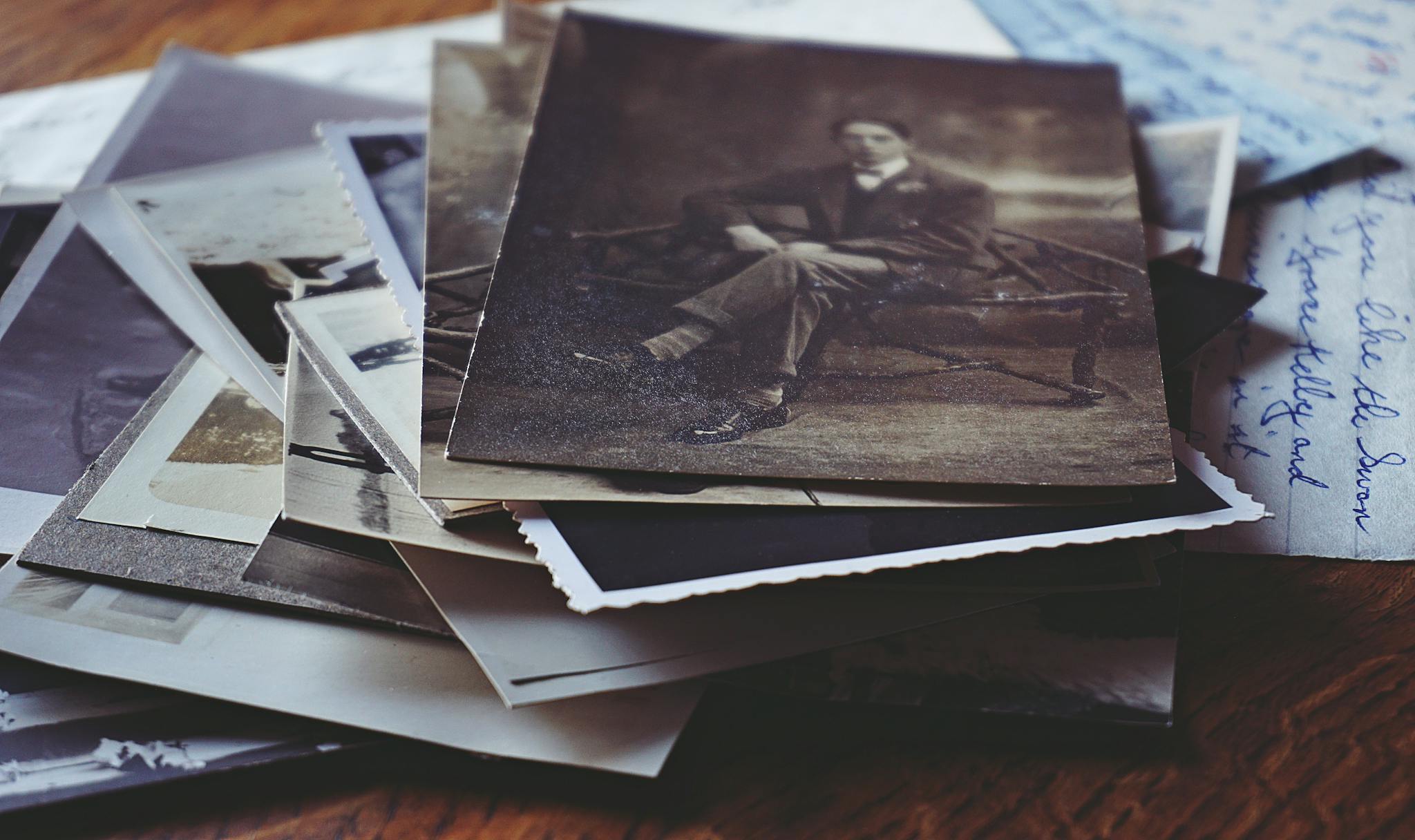
The next step is to search your home (and your relatives’ homes) for old family documents. Birth certificates, baptismal records, marriage licenses, immigration papers, and military records are often tucked away in boxes or drawers. Old letters written in Polish, postcards from Europe, or even photographs with handwritten notes can give valuable clues about hometowns, names, or family connections.
Pay close attention to details in photographs—studio stamps on the back may reveal the city where they were taken. Envelopes from old letters may carry addresses in Poland, narrowing down your ancestral hometown.
Creating a Family Tree Chart
Once you’ve gathered stories and documents, it’s time to organize them into a family tree. Start with yourself and work backward—parents, grandparents, great-grandparents—writing down full names, dates of birth and death, and locations whenever possible. Use genealogy software like Family Tree Maker, MyHeritage, or even free tools like FamilySearch to keep track of your discoveries. A visual chart helps you see where information is missing and which family lines need more attention.
This step may seem basic, but it lays the foundation for all your future research. By knowing exactly what you already have, you avoid repeating work and you’ll have a clearer direction for the next stages.
Step 2 – Understanding Polish History and Geography
If there’s one thing that complicates Polish genealogy more than anything else, it’s history. Poland didn’t always look like it does today, and understanding its past is essential if you want to track down the right records.
Poland’s Shifting Borders Through History
Poland’s borders have changed dramatically over the centuries. At one time, the Polish-Lithuanian Commonwealth stretched across much of Eastern Europe. Later, during the late 18th century, Poland was partitioned by Russia, Prussia, and Austria, effectively wiping the country off the map until it regained independence in 1918. Depending on when and where your ancestors lived, their records could be in Russian, German, or Austrian archives—not necessarily Polish ones.
This means that if your great-grandparents came from “Poland” in 1880, they may have technically been Austrian citizens from Galicia or Prussian subjects from Poznań.
Key Regions and Partitions of Poland
There are three main partitions you need to know about when tracing genealogy:
- Russian Partition (Congress Poland) – Records often in Russian; Orthodox influence strong.
- Prussian Partition – Records often in German; surnames sometimes Germanized.
- Austrian Partition (Galicia) – Records usually in Latin or Polish; often well-preserved Catholic registers.
Each region had different laws about recordkeeping, so knowing the partition helps you figure out where and how to search.
Why Geography Matters for Genealogy
Poland is a land of thousands of villages, many of which share the same or similar names. For example, there are over 30 villages named “Nowa Wieś” (meaning “New Village”). Without narrowing down the exact location, you could waste months searching the wrong place. Understanding historical geography helps you identify not just the right town but also the correct parish or civil registry that kept your ancestors’ records.
By studying maps, gazetteers, and online tools like Kartenmeister, you can pinpoint ancestral villages and match them with the right archives. Geography isn’t just about locations—it’s about placing your ancestors in their historical context, which brings their stories to life.
Step 3 – Identifying Family Names and Variations
One of the most exciting—and sometimes frustrating—parts of Polish genealogy is dealing with surnames. Names carry cultural, regional, and even occupational histories, but they can also create confusion due to spelling differences and language changes.
Common Polish Surnames and Meanings
Many Polish surnames have specific meanings rooted in occupations, locations, or personal traits. For example:
- Kowalski – derived from “kowal,” meaning blacksmith.
- Nowak – meaning “newcomer.”
- Lewandowski – from “lewanda,” meaning lavender field.
Knowing the origin of your surname may not only give insight into your family’s past but also help you identify whether multiple families with the same name are actually related.
Spelling Variations and Phonetic Challenges
One of the biggest hurdles for beginners is recognizing that surnames often appear in multiple spellings. When Polish immigrants arrived in countries like the United States, their names were frequently altered to fit English pronunciation. For example:
- Wojciechowski could become Voycheck.
- Zieliński might appear as Zelinsky.
- Piotrowski might change to Peters.
Additionally, record keepers in Poland itself sometimes wrote names differently depending on language and region. A name in German records may look very different from the same name in Polish or Russian.
Using Naming Patterns to Identify Ancestors
Polish families often followed naming traditions that can provide useful hints. For example, the eldest son might be named after the paternal grandfather, while the eldest daughter was often named after the maternal grandmother. Recognizing these patterns helps confirm whether you’re looking at the right family in old parish registers.
Another clue is the -ski / -ska surname ending. In Polish, surnames often change based on gender. For instance, a man might be Kowalski, but his sister would be Kowalska. Understanding these linguistic details prevents confusion when reading records.
Step 4 – Using Online Polish Genealogy Resources
The internet has revolutionized genealogy research, and Polish ancestry is no exception. Today, you can access digitized church records, browse databases, and connect with fellow researchers without leaving your home.
Polish State Archives and Digital Libraries
The Polish State Archives (Archiwa Państwowe) is one of the most valuable online resources. Many of its records, including parish books, civil registrations, and land records, are digitized and available for free on szukajwarchiwach.gov.pl. Another useful resource is Polona.pl, the digital library of the National Library of Poland, which contains historical maps, newspapers, and books that provide context for your ancestors’ lives.
Popular Genealogy Websites and Databases
Several international genealogy websites host Polish records or provide indexing services. Some key platforms include:
- FamilySearch.org – free access to millions of Polish records.
- Ancestry.com – immigration, census, and some Polish parish records.
- Geneteka (geneteka.genealodzy.pl) – a volunteer-run database indexing Polish parish records.
These databases are constantly expanding, so checking back regularly can reveal new discoveries.
Social Media Groups and Forums for Polish Genealogy
Don’t underestimate the power of community. Facebook groups, specialized forums, and even Reddit communities bring together people researching Polish ancestry. These groups often include native speakers and experienced genealogists who can help translate documents, suggest archives, or even connect you with distant relatives. Sharing your family story might spark a connection that leads to new information.
Step 5 – Accessing Church and Civil Records
Church and civil records form the backbone of Polish genealogy. These documents often provide the key details you need to link generations and uncover family histories.
Catholic, Orthodox, and Protestant Records
Poland is predominantly Catholic, so most parish registers are from Catholic churches. However, depending on the region and history, you may also find Orthodox, Lutheran, or Jewish records. Baptism, marriage, and burial entries often provide parents’ names, occupations, and villages, making them goldmines for genealogists.
Civil Registrations of Births, Marriages, and Deaths
After the Napoleonic Code was introduced in parts of Poland in the early 19th century, civil registration became more standardized. These records are often more detailed than church records and may even include information about witnesses, occupations, and causes of death. Depending on the time and place, civil records may be stored in local offices (Urząd Stanu Cywilnego) or transferred to regional archives.
Tips for Reading Old Polish, Russian, and Latin Documents
One of the biggest hurdles for beginners is dealing with old handwriting and foreign languages. Many older records are in Latin (Catholic registers), Russian (Congress Poland), or German (Prussian territories). Even Polish records may use archaic handwriting that is difficult to read. To overcome this challenge:
- Use online translation tools and genealogical word lists.
- Compare handwriting styles with alphabet charts available online.
- Ask for help in genealogy forums where experts enjoy deciphering old scripts.
Patience is key—once you learn to recognize certain words like “urodzony” (born), “ślub” (marriage), or “zmarł” (died), reading records becomes much easier.
Step 6 – Researching Immigration and Naturalization Records
When your Polish ancestors left their homeland, they left behind an essential paper trail. Immigration and naturalization records are powerful tools for tracing where your family came from and understanding why they left Poland in the first place. These records often bridge the gap between European sources and your family’s new life abroad.
Passenger Lists and Ship Manifests
Most immigrants who left Poland in the 19th and early 20th centuries traveled by ship, often departing from ports like Hamburg, Bremen, or Gdańsk. Passenger lists and ship manifests can provide a treasure trove of details, including:
- Full name (sometimes with original Polish spelling)
- Age and marital status
- Occupation
- Last residence in Poland
- Destination in the new country
- Name of the relative they were joining
Even small details, such as traveling companions or the village listed as their last residence, can help pinpoint your ancestors’ hometown. Keep in mind that spellings may differ—names might have been recorded phonetically or altered by immigration officials.
Ellis Island and Other Ports of Entry
For many Polish immigrants to the United States, Ellis Island was their first stop. Between 1892 and 1954, more than 12 million immigrants passed through its gates, and many records are now freely searchable online through the Ellis Island Foundation website. But Ellis Island wasn’t the only entry point—other ports such as Baltimore, Philadelphia, and Boston also welcomed large numbers of immigrants.
If your family went to other countries, similar databases exist. For example:
- Canada: Library and Archives Canada has searchable passenger lists.
- Brazil: Immigration records exist for Polish communities in Paraná and São Paulo.
- Australia: The National Archives of Australia hosts passenger and naturalization records.
U.S. Census and Naturalization Papers
In addition to passenger lists, U.S. census records can provide crucial clues about your ancestors. Census takers often asked about birthplace, immigration year, and naturalization status. Over several decades, these details can help track your family’s journey and confirm family groupings.
Naturalization papers are another key resource. These documents often list the immigrant’s original hometown, birth date, and sometimes even the names of family members who remained in Poland. If your ancestor became a U.S. citizen, local county courts or federal archives may hold these valuable records.
Step 7 – Learning Basic Polish Genealogical Terms
If you want to succeed in Polish genealogy, you need to become comfortable with the language of old records. While you don’t need to be fluent in Polish, learning a few essential terms will help you recognize patterns and understand the basics of birth, marriage, and death entries.
Key Vocabulary in Polish Records
Here are some common terms you’ll see again and again:
- urodzony / urodzona – born (male/female)
- ochrzczony / ochrzczona – baptized (male/female)
- ślub / małżeństwo – marriage
- zmarł / zmarła – died (male/female)
- ojciec – father
- matka – mother
- dziecko – child
By familiarizing yourself with these words, you can begin to understand the structure of records, even without full translation.
Understanding Abbreviations and Old Script
Church records often contain abbreviations that can be confusing. For example, “wd.” might mean widower, while “ur.” could mean born. Priests and clerks also used Latin abbreviations, so having a Latin genealogy word list on hand can be very useful.
Handwriting is another challenge. Many older documents were written in cursive styles that look very different from modern writing. In some regions, you’ll encounter Gothic script (used in German records) or Cyrillic (used in Russian-controlled Poland). Learning to recognize these alphabets takes practice, but once you master a few letters, the rest becomes easier.
Helpful Language Tools and Resources
Fortunately, you don’t have to do this alone. Several resources can help you with translation and paleography (the study of old handwriting):
- Google Translate – good for single words but less reliable for old phrasing.
- Polish Genealogical Word Lists – available on FamilySearch.
- Online handwriting tutorials – YouTube and genealogy blogs often have guides for reading old scripts.
- Genealogy forums – posting a scanned record in a group often results in quick, helpful translations.
A little language knowledge goes a long way in unlocking your family’s history.
Step 8 – Connecting with Local Polish Archives and Parishes
If you’ve already gathered home records, explored online databases, and tracked immigration documents, the next step is often reaching out directly to archives or parishes in Poland. This is where the most detailed and personal records are found.
How to Write to Archives in Poland
Poland has a well-organized archival system, with regional archives covering different voivodeships (provinces). Writing to them can yield baptismal, marriage, and death records not yet digitized. When contacting an archive:
- Write your request in Polish (or use a translator).
- Be as specific as possible: include full names, dates, and towns.
- Offer a small donation for research time—it increases your chances of a response.
Many archives now accept email requests, making the process easier than ever.
Hiring Local Researchers
If you’re struggling with language barriers or don’t know where to look, hiring a local genealogist in Poland can be a smart investment. Professional researchers know how to navigate archives, read old handwriting, and track down records that might take you months or years to find on your own.
Visiting Poland for On-Site Research
For many, the ultimate step in genealogy is traveling to Poland. Visiting the villages where your ancestors lived, walking through old cemeteries, and exploring parish archives in person creates an emotional connection like no online record ever could. Some churches still hold original parish registers dating back to the 1600s. Standing in the same place where your great-great-grandparents were baptized or married is a powerful way to bring your family history to life.
Step 9 – DNA Testing and Polish Genealogy
In recent years, DNA testing has become a game-changer in genealogy. While traditional research relies on documents, DNA can connect you with living relatives and uncover ethnic origins that written records might not reveal.
How DNA Can Support Traditional Research
DNA testing is especially useful if you’ve hit a “brick wall” in your genealogy research. It can confirm family connections, help identify unknown ancestors, and even point you toward specific regions in Poland where your ancestors lived. For example, a strong DNA match with someone whose family comes from Podkarpackie might suggest that your ancestors lived in that area too.
Popular DNA Testing Services for Polish Roots
The most commonly used DNA services include:
- AncestryDNA – strong for family matches, though less detail on ethnic breakdown.
- MyHeritage DNA – popular in Europe, making it especially useful for Polish matches.
- FamilyTreeDNA – offers Y-DNA and mtDNA tests for deeper lineage tracing.
- 23andMe – provides health insights along with ancestry results.
Uploading your DNA results to GEDmatch, a free comparison site, can also help you connect with matches across different testing platforms.
Building Connections with Genetic Matches
Once you’ve taken a DNA test, you’ll likely see dozens—or even hundreds—of matches. The key is reaching out to those with Polish ancestry. Many times, you’ll discover distant cousins who have already done genealogy work and can share documents or family stories. DNA also helps confirm whether two family branches with similar surnames actually share a common ancestor.
Step 10 – Organizing and Preserving Your Research
After months or even years of research, you’ll accumulate a mountain of notes, documents, and digital files. Keeping everything organized ensures your hard work isn’t lost and makes it easier to share with future generations.
Creating a Digital Genealogy Archive
Start by scanning old photos, letters, and certificates. Store them in organized folders on your computer or in a cloud service like Google Drive or Dropbox. Label each file clearly with names and dates. Genealogy software like RootsMagic or Legacy Family Tree allows you to link these files directly to your family tree, keeping everything in one place.
Backing Up Your Family Tree
The last thing you want is to lose years of research to a computer crash. Always back up your family tree in multiple places—on your computer, in the cloud, and on an external hard drive. Many genealogy platforms, like FamilySearch and Ancestry, also allow you to upload your tree online, creating an additional safety net.
Sharing Your Findings with Family
Don’t let your research stay hidden in files—share it! Create a printed family history book, build a private family website, or hold a “family history night” where you present your findings. Sharing not only preserves your work but also inspires other relatives to contribute their own stories and memories. Who knows—an uncle or cousin may have a photo or document that completes your puzzle.
Conclusion – Keeping the Journey Alive
Polish genealogy is more than just collecting names and dates—it’s about rediscovering a story that stretches across generations and continents. By combining home sources, historical knowledge, online research, DNA testing, and maybe even a trip to Poland, you can build a rich and meaningful picture of your family’s past. Each step brings you closer to understanding who you are and where you come from. Remember, genealogy is never truly finished; there are always new branches to explore and stories waiting to be uncovered.
FAQs
1. How do I start if I don’t speak Polish?
Start with English-language resources and learn a few key Polish genealogy terms. Online forums and translation tools can help with records.
2. What if my ancestors lived in areas that weren’t officially “Poland”?
Check the historical partitions—your ancestors may appear in Austrian, Prussian, or Russian records depending on the time period.
3. Are there free resources for Polish genealogy research?
Yes! FamilySearch, Geneteka, and the Polish State Archives provide free access to millions of records.
4. How do I handle surname spelling changes in U.S. records?
Search for phonetic variations and consider how names may have been altered to fit English pronunciation.
5. Is it necessary to travel to Poland for genealogy research?
Not at all—many records are available online or through correspondence. However, visiting Poland can add an emotional and personal dimension to your research.