
General Questions
Polish Thread is a boutique Polish genealogy and document-retrieval service based in Łódź, Poland. I help descendants of Polish emigrants — most often Polish-Americans and families applying for Polish citizenship by descent — uncover their family history and recover the official records they need. Unlike a large agency, every case is handled by me personally, from your first message to the final report.
My name is Martyna, and I run Polish Thread on my own. I’ve spent the last several years working hands-on in Polish State Archives and civil registry offices, reading original records in Polish, Russian, German, and Latin. I started in genealogy by untangling my own family’s history, so I know exactly how it feels to hit a wall — and that’s the experience I bring to every client’s case.
Ancestry and FamilySearch are excellent starting points, but they only contain a fraction of Polish records — by most estimates, less than 30% of Polish historical records have ever been digitised. The rest sit in parish basements, regional State Archive branches, and civil registry offices (USC) that have never been scanned. I go to those archives in person and retrieve the documents you simply can’t find online. In short: those sites show you the tip of the iceberg; I bring back what’s underneath.
Yes — and I understand why you ask, because you’re trusting someone abroad with something personal and often paying upfront. Every case is kept fully confidential, handled only by me, and you receive a clear research plan and quote before any paid work begins. You can also read reviews from past clients on Fiverr and Upwork. If records can’t be found, you still receive a full report explaining exactly what was checked — you’re never left with nothing.
Research & Records
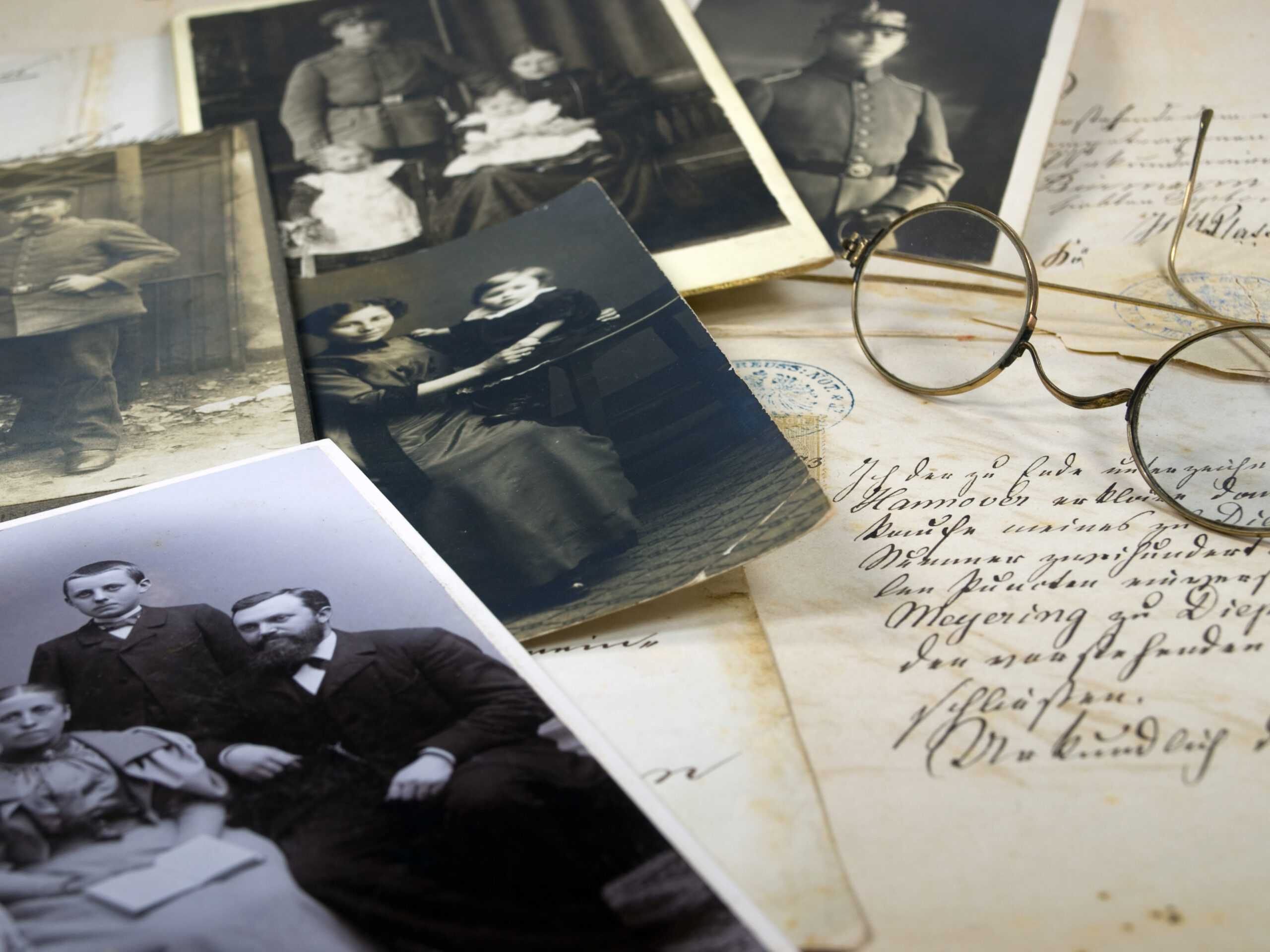
Yes. I research archives across the whole country — parish registers, State Archives (Archiwum Państwowe), and civil registry offices (USC). My deepest expertise is in the regions where most Polish-American families have their roots: Galicia, central Poland, Congress Poland, and the Prussian partition. I also handle the harder cases in the Eastern Borderlands — particularly eastern Galicia and parts of present-day western Ukraine — where records are genuinely difficult to trace without knowing exactly where to look.
It happens — wars, fires, and floods destroyed many Polish records over the centuries, so no honest genealogist can promise every document survives. If a record can’t be found, you still receive a full written report explaining which archives were checked, what was searched, and why the record likely didn’t survive. No effort is wasted, and you always know exactly where things stand. Where one record is lost, I’ll also tell you whether an alternative source (a church duplicate, a notary file, a census fragment) might fill the gap.
Because Poland was partitioned between three empires, the same family can appear in records written in four different languages within a single generation: Polish, Russian, German, and Latin. On top of that, older records use historical scripts — Russian Cyrillic and 19th-century German Kurrent — that even native speakers can’t read today. I read and interpret all four, so the language barrier that stops most people never becomes your problem. You receive not just the document, but a clear explanation of what it actually says.
Yes. Alongside the documents and translations, I can compile your findings into a structured family tree, and for deep-dive research I provide a GEDCOM file you can import into Ancestry, MyHeritage, or any genealogy software. More than a chart of names, the goal is a documented tree — every person backed by a real record you can see and verify.
Citizenship & Legal Documents
Yes. I retrieve official copies of vital records — birth, marriage, and death certificates — directly from Polish State Archives and civil registry offices, in the form needed for citizenship by descent applications. I know which specific records confirmation of Polish citizenship requires, and how far back you usually need to go. If you’re working with a law firm or filing yourself, I can deliver the records in the format and language they expect.
It depends on which archive holds the records and how quickly they respond, but most document-retrieval cases take roughly 4–8 weeks. Some civil registry offices answer in days; certain archives take longer, especially for older or borderland records. I give you a realistic timeline once I’ve reviewed your case, and I keep you updated rather than leaving you guessing.
I can arrange them. Sworn translations (tłumaczenia przysięgłe) have to be produced by a translator registered with the Polish Ministry of Justice — that isn’t me, but I work with certified sworn translators in Poland and handle the coordination as part of a project. In practice you send the documents once and get them back ready for the consulate.
One thing worth knowing: it’s not only your American or Canadian paperwork that needs translating. Polish records from the partition era are written in Russian, German or Latin, and those need a sworn translation into Polish too. Which documents need which version depends on your case — ask and I’ll tell you before you commit to anything.
Contact ne directly and we’ll be happy to clarify anything about your case.
Process & Practicalities
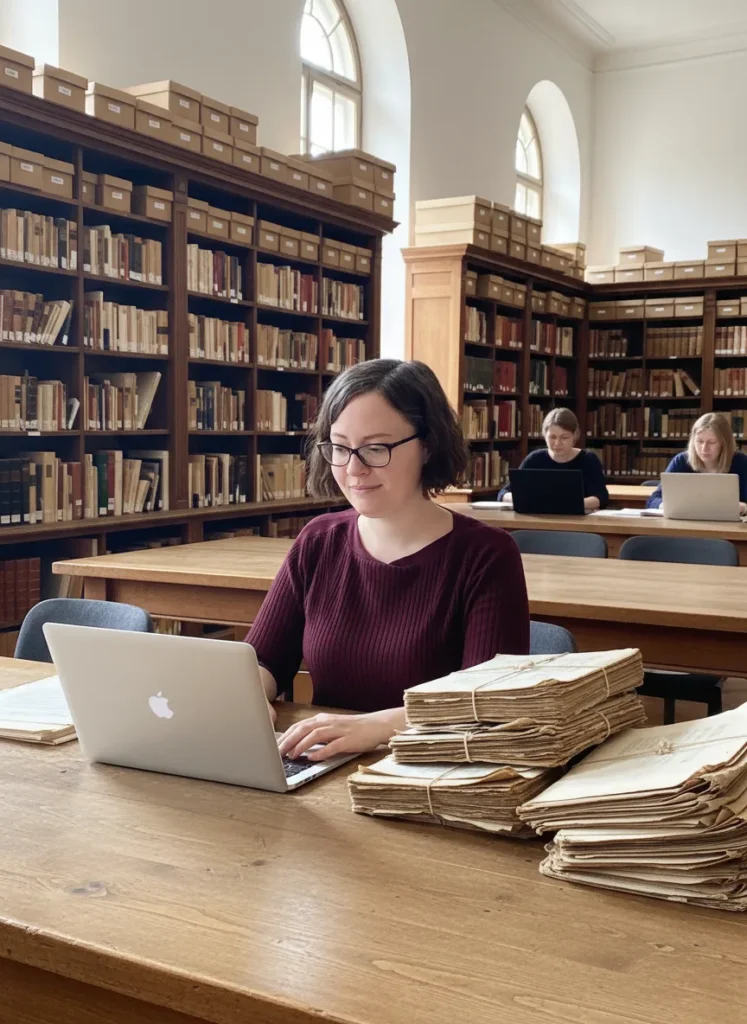
Fill out the short form with whatever you already know — names, dates, and regions. Even a single surname and a village is enough to begin. I review your case, check what’s feasible, and email you a personalised research plan and quote. No calls required, and there’s no obligation to proceed.
Everything is delivered digitally, in one comprehensive report. You receive high-resolution scans or photographs of every original document found, translations and analysis of what they say, and historical context — including maps and notes on village name changes across Polish, Russian, and German. Where you need physical certified copies for a citizenship application, I arrange those too.
Most research projects take 4–8 weeks, and complex multi-line or “brick wall” cases can run 8–12 weeks. The timeline depends on how many family lines you’re tracing, which archives are involved, and how fast they respond. A $70 preliminary check is much quicker — you get a feasibility report within about 7 business days.
Research packages start at $80 for a preliminary archive check, which is the lowest-risk way to find out whether records exist before committing. Full research begins at $400 for 10 hours of work (perfect for one specific line or mystery) and goes up to $800 for a 20-hour deep dive across multiple lines or difficult cases. There are no hidden fees, and if records aren’t found you still receive a full report of everything checked. Custom quotes are available for citizenship cases or multiple surnames.
Connect with Your Past
Your family’s story is waiting in Poland.
Every family has a thread worth following. Tell me what you know — even just a surname and a region — and I’ll show you what’s possible. No commitment, just a clear sense of what’s still out there.